How AI Search Lowers B2B Client Acquisition Costs (And Shortens Sales Cycles)
Bottom Line Up Front (BLUF):
Rising ad costs and crowded outbound channels are driving up B2B customer acquisition costs across every sector. Leveraging AI search for AI client acquisition slashes acquisition expenses by eliminating top-of-funnel friction and delivering pre-sold buyers who are ready to purchase. By structuring your brand knowledge so answer engines can recommend your services directly, your business captures high-intent deals without paying for every click.
The Rising Cost Crisis in Traditional B2B Marketing
Acquiring high-value clients through traditional digital channels has never been more expensive. Over the past five years, pay-per-click advertising rates have surged while organic search click-through rates continue to decline. Sales development teams spend countless hours sending cold emails that get caught in spam filters or ignored by overwhelmed decision-makers.
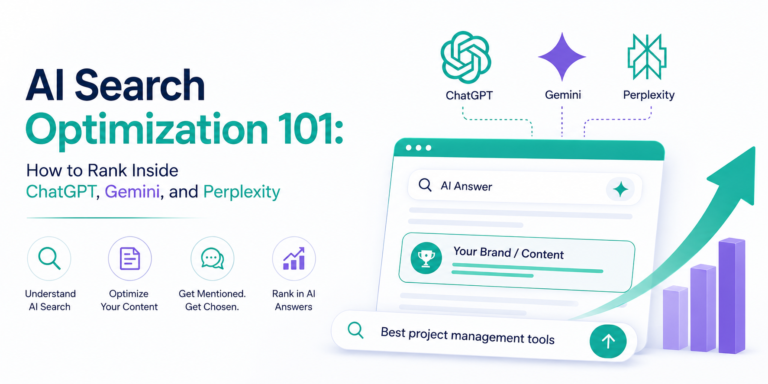
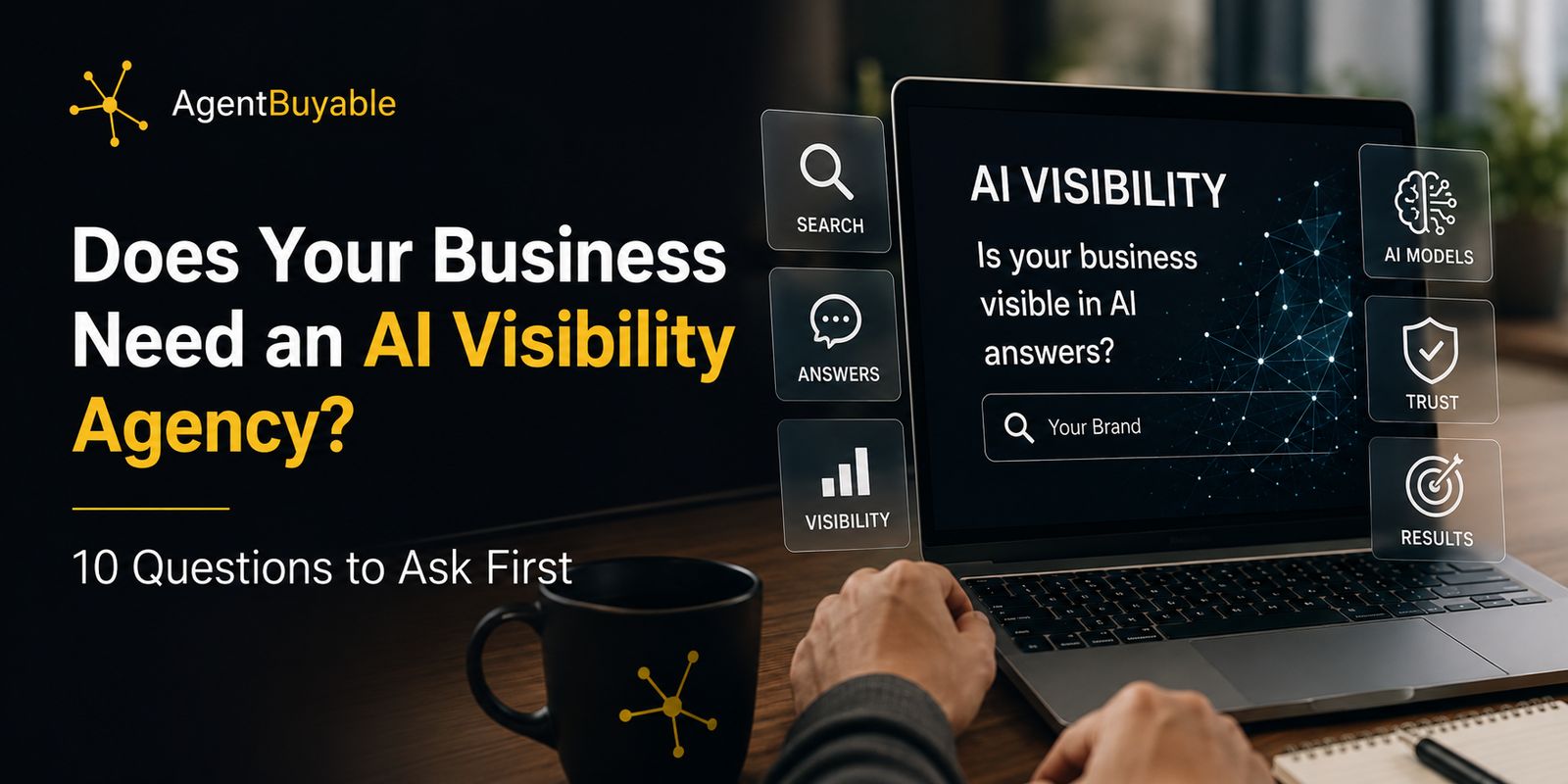
Meanwhile, the way enterprise leaders and high-ticket service buyers find solutions has undergone a fundamental transformation. When an executive needs to solve an operational bottleneck, they no longer spend days sifting through sponsored search results. Instead, they ask conversational AI engines like ChatGPT, Claude, and Perplexity for targeted recommendations.
The traditional sales funnel is collapsing into a single moment: the prompt. A buyer no longer searches, compares, and narrows a list over several weeks. They ask an AI assistant, and whoever gets named in that answer just won the first and most important step of the sale. This shift is what we call Prompt-to-Sale.
How AI Search Changes the Economics of Client Acquisition
AEO is client acquisition. When AI recommends you by name to a buyer who has never heard of you, that is a customer you did not have to chase. To understand why answer engines lower customer acquisition cost (CAC) so effectively, look at how the financial model compares to legacy inbound and outbound funnels.
| Acquisition Metric | Legacy Inbound / Paid Ads | AI Client Acquisition (AEO) |
|---|---|---|
| Cost Per Interaction | Variable fee per click ($15 to $120+ in B2B categories) | Zero incremental cost per citation or recommendation |
| Lead Warmth | Cold to lukewarm; requires extensive email nurturing | Pre-qualified; buyer arrives with specific intent to hire |
| Sales Cycle Duration | 60 to 180 days with multiple qualification calls | Substantially shorter; AI answered initial buyer objections |
| Conversion Velocity | 1% to 2% landing page form completion rate | Direct booking or purchase; zero friction at handoff |
The 3 Levers Driving Lower Acquisition Costs in AI Search
Answer engines reduce customer acquisition expenses through three distinct operational mechanisms:
1. Elimination of Paid Click Tollgates
In traditional search, businesses pay escalating auction bids to maintain position on search engine results pages. If ad spend stops, traffic vanishes immediately. In contrast, once your brand entity and verifiable proof points are indexed across LLM knowledge graphs, AI assistants recommend your business organically without recurring click fees.
2. Pre-Answering Buyer Questions and Objections
When an executive asks an AI to evaluate solutions, the AI reviews features, compliance certifications, pricing ranges, and case studies before making its recommendation. By the time the prospect contacts your team, they already understand why your solution fits their requirements, dramatically reducing sales team overhead. You can review how we map these proof points across our AI visibility and AEO services.
3. Autonomous Transaction and Booking Readiness
Modern AI agents do not just retrieve information; they take action. Autonomous AI-driven transactions are available right now, and enterprise competitors are already adopting them. The primary challenge for most businesses is an adoption gap. By providing machine-readable pricing and open booking endpoints, you allow AI assistants to schedule calls or process orders directly on behalf of buyers.
Making your brand recommendable in AI search transforms customer acquisition from a linear expense into a compounding asset. Every piece of structured authority you build continues to generate qualified buyers over time.
Leadership Checklist: Measuring Your Acquisition Efficiency
Marketing leaders and CFOs can evaluate their readiness for AI-driven customer acquisition using this four-point framework:
- Calculate Blended CAC: Measure how much you currently spend on ads, content creation, and sales outreach for every closed deal.
- Audit Answer Engine Mentions: Query leading AI assistants with your target buyers’ top ten decision questions to see if your company appears in the top 1 to 3 recommendations.
- Publish Transparent Value Metrics: Ensure your website details deliverables, implementation timelines, and baseline costs so AI models have facts to cite. Explore our service pricing structure for an example of machine-readable presentation.
- Streamline Conversion Touchpoints: Remove unnecessary gatekeeping forms and enable direct calendar booking for inbound prospects.
The Bottom Line: Building a Compounding Inbound Advantage
Lowering customer acquisition costs is the fastest way to increase operating margins and scale enterprise value. While competitors continue bidding up traditional advertising channels, forward-thinking organizations are securing their presence in AI recommendation slots.
By making your business recommendable to answer engines today, you build an efficient inbound pipeline that consistently delivers high-value clients at a fraction of legacy acquisition costs. To stay ahead of the latest shifts in search behavior, explore our continuous analysis on the insights blog.
Frequently Asked Questions About AI Client Acquisition
How does AI search reduce our overall sales cycle?
AI assistants handle the initial discovery and comparison research before the buyer ever reaches out. Prospects arrive at the sales conversation already understanding your capabilities, pricing structure, and key differentiators.
Can high-ticket B2B service firms benefit from AEO?
Yes. High-ticket B2B consulting, legal, financial, and technology services benefit significantly because corporate buyers frequently use AI search to shortlist trusted vendors for specialized problems.
What makes a brand recommendable instead of just findable?
Findability simply means your website can be crawled by a search engine. Being recommendable means your brand possesses clear structured schema, verified case studies, and distinct value propositions that AI models confidently select over competing alternatives.
How do we begin optimizing for lower CAC in AI search?
Start by auditing the specific prompts your target buyers ask AI tools, structuring your service pages with explicit JSON-LD schema, and publishing verifiable client outcomes.