AEO and Agentic Commerce Services Target Five B2B Verticals

AEO and Agentic Commerce Services Powering Five B2B Verticals for SMB Growth
In today’s fast-paced digital economy, small and medium-sized businesses (SMBs) are continually seeking innovative ways to enhance their market presence and operational efficiency. Answer Engine Optimization (AEO) and agentic commerce services have emerged as vital strategies to empower SMBs across diverse B2B verticals. This article will explore how these methodologies work and the specific advantages they present to businesses aiming to accelerate growth. The discussion will delve into the strategic applications of AEO and agentic commerce, their distinct benefits compared to traditional SEO, and the transformative effects they have on customer engagement and sales automation. Additionally, we will identify the five key B2B verticals that stand to gain the most from integrating these advanced solutions.
Key Benefits
Implementing AEO and agentic commerce services offers several significant advantages to businesses looking to thrive in the competitive market landscape. Key benefits include:
- Increased Customer Engagement: AEO enables businesses to connect with potential clients through tailored content that meets specific user queries, fostering deeper engagement.
- Higher Sales Efficiency: By automating transaction processes through agentic commerce, companies can significantly reduce time spent on manual tasks, allowing sales teams to focus on closing deals.
- First-mover Advantages: Companies that adopt these technologies early can establish themselves as leaders in their respective industries, capitalizing on their innovative approaches to attract clients.
Incorporating these strategies can not only boost operational capabilities but also enhance overall customer satisfaction. Businesses looking to enhance their online presence would benefit from integrating agentic commerce services to streamline their transition into AI-driven commerce.
Strategic Applications
AEO and agentic commerce can be applied across various B2B verticals, providing tailored solutions that cater to the unique needs of each sector. For instance:
- AI Visibility for B2B SaaS: Companies can use AEO to optimize their software offerings, ensuring they meet search intent more effectively.
- Agentic Commerce for Service Businesses: This technology facilitates smooth service transactions, improving customer retention through enhanced experience.
- Ongoing Optimization for Market Competitiveness: Continuous analysis and adjustment of AEO strategies ensure that businesses remain relevant and competitive as market landscapes evolve.
These applications underscore the versatility of AEO and agentic commerce in addressing the distinct challenges faced by diverse B2B sectors.
Market Impacts
The integration of AEO and agentic commerce is already yielding observable shifts in market dynamics. The reliance on AI for customer discovery and engagement is transforming traditional business models. Key market impacts include:
- A significant shift towards AI-assisted customer discovery methods, where potential clients seek solutions through optimized AEO content rather than through conventional search engines.
- Long-term growth potential attributed to AI commerce, enhancing the ability of businesses to scale rapidly in response to market demands.
- Operational efficiencies gained through automated processes, leading to reduced costs and improved service delivery in B2B transactions.
These trends reflect a broader movement towards AI-driven strategies that enhance efficiency and adaptability in business operations.
What Is Answer Engine Optimization and Why It Ignites SMB Success?
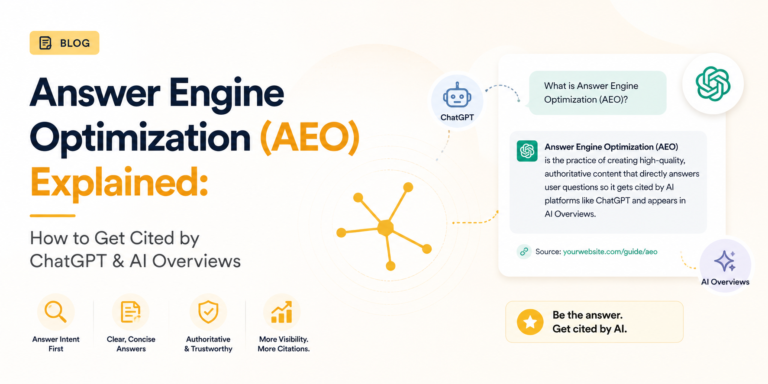
Answer Engine Optimization (AEO) refers to the process of optimizing content to meet the demands of AI-driven systems that facilitate customer discovery. The primary objective is to enhance visibility in a landscape increasingly dominated by AI agents that prioritize meaningful user interactions over traditional search outcomes. This optimization focuses on delivering direct answers to user inquiries, making it essential for SMBs aiming to establish a strong online presence.
The mechanisms that underpin AEO involve a fundamental shift from conventional SEO practices toward a model that values contextual relevance and semantic understanding. By synthesizing customer intent with responsive content, businesses can effectively increase their visibility and revenue, boosting overall performance in highly competitive markets.
What Makes AEO Different from Traditional SEO?
AEO diverges significantly from traditional SEO through its concentrated focus on user intent driven by AI rather than by search engines alone. Traditional SEO primarily targets keyword rankings, whereas AEO emphasizes user-centric content that addresses specific inquiries.
This evolution in strategy reflects several characteristics:
- Focus Shift to AI Models: AEO incorporates algorithms designed to interpret user queries effectively, providing results that prioritize immediate needs.
- Content Evaluation Metrics: The criteria for content success in AEO revolve around engagement and satisfaction rather than merely traffic metrics.
- Implications for B2B Businesses: As companies adapt to these changes, those that embrace AEO can expect to see improved brand authority and customer loyalty.
This distinction is critical for B2B businesses seeking to adapt to changing consumer behaviors in the digital landscape.
How Does Agentic Commerce Transform AI-Driven Commerce for SMBs?

Agentic commerce represents the intersection of AI-enabled transactions and comprehensive digital customer journeys. This transformation largely benefits SMBs through various enhancements:
- Customer Engagement through Automated Interactions: By employing AI agents to handle initial customer inquiries, businesses can streamline interactions and enhance customer satisfaction.
- Operational Efficiency Improvements: Automation of sales processes frees up valuable resources, allowing teams to concentrate on strategic growth areas.
- Revenue Generation through AI-driven Sales Flows: Effective integration of agentic commerce can lead to increased conversion rates as AI systems optimize the customer journey.
These elements are central to driving business success in a market increasingly influenced by digital interactions and customer expectations.
What Benefits Unleash from AI Agent Integration?
Integrating AI agents within business processes provides several advantages that can enhance overall performance and customer relations:
- Increased Customer Engagement Metrics: AI agents provide real-time responses and personalized interactions, significantly improving engagement rates.
- Higher Sales Efficiency Statistics: Automating responses and transactions increases the speed at which deals can be closed, positively impacting sales outcomes.
- First-Mover Advantages Backed by Case Studies: Early adopters of AI integration often experience substantial gains in market positioning, as evidenced by industry case studies showcasing increased revenue and efficiency.
Positioning businesses to capitalize on these benefits requires a solid foundation in both technology and strategy. For enhanced capabilities in this domain, exploring agentic commerce platforms can provide a competitive edge.
Which Five B2B Verticals Accelerate Growth Using AgentBuyable’s AI Services?
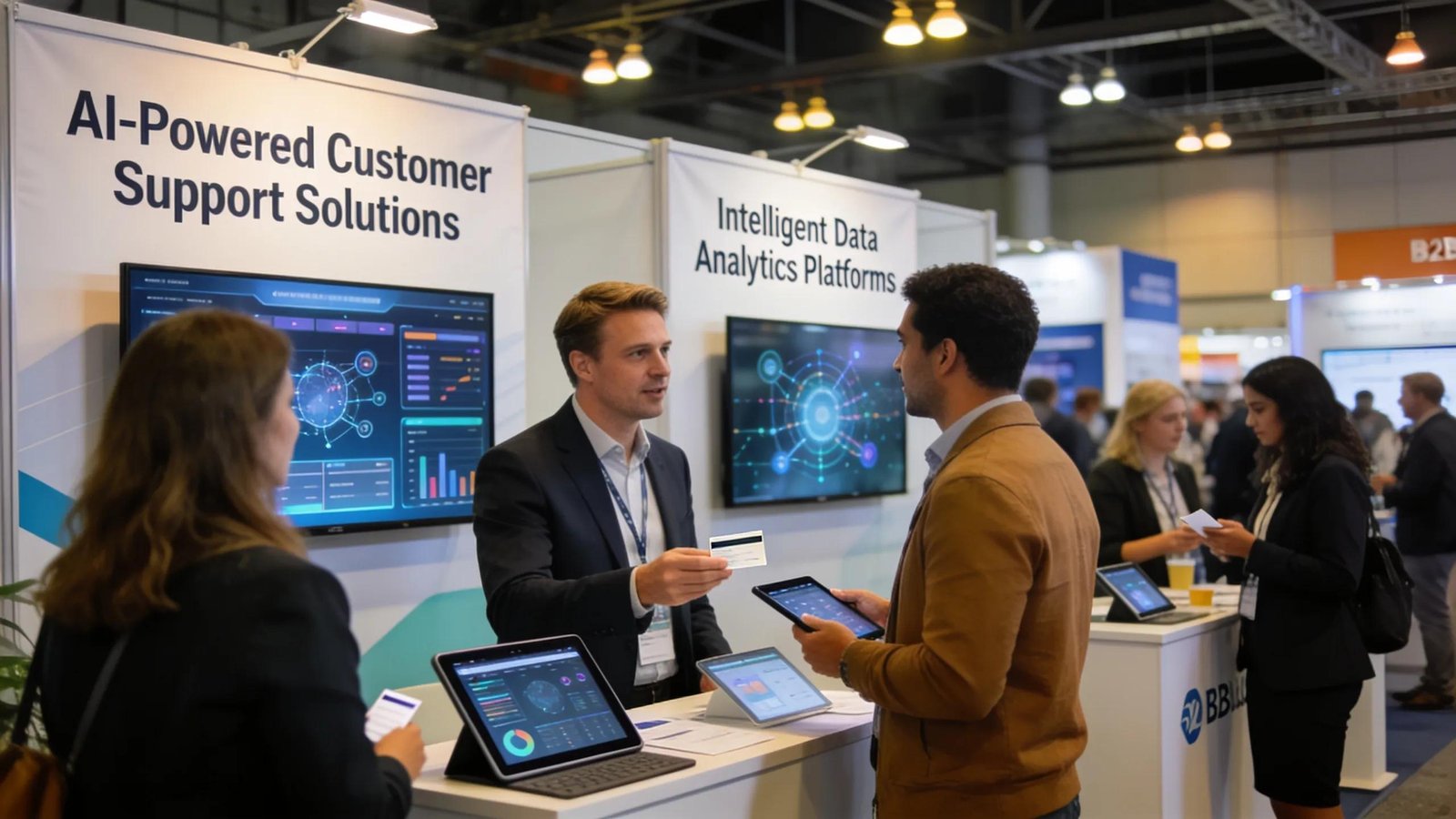
AgentBuyable’s AI services cater specifically to several key B2B verticals, enhancing their growth trajectories significantly. The notable sectors include:
- Professional Services: Leveraging AEO can unlock new client acquisition by aligning content with user intent.
- Tech Providers: The ability to display practical solutions for complex queries can differentiate tech businesses in a crowded marketplace.
- Distribution Sectors: Integrating smart commerce solutions streamlines supply chain transactions, increasing operational efficiency.
- Wholesale: Structuring bulk pricing, inventory availability, and reorder data for AI discovery helps wholesale distributors capture demand from automated procurement agents and streamline high-volume transactions.
- Financial Services: SMB-focused lenders, insurers, and accounting providers can use AEO to highlight trust signals and compliance credentials, while agentic commerce automates client onboarding and application workflows.
These verticals stand to benefit immensely from the advancements in AI technology offered by AgentBuyable.
How Do Professional Services, Tech Providers, Distribution, Wholesale, and Financial Services Win Big?
The intersection of AEO and agentic commerce presents unique strategies for specific B2B sectors to excel:
- Early Adoption Advantages: Businesses that embrace these technologies rapidly establish themselves as leaders in their markets, creating a base of loyal customers.
- Customer Interaction Automation: Automating routine inquiries can significantly enhance customer experiences, making engagements more efficient.
- Data Structuring for AI Discoverability: By structuring their data for AI accessibility, these sectors can increase their visibility in search outcomes.
- Automated Reordering for Wholesale: Wholesale distributors can deploy AI agents to manage replenishment and bulk order workflows, reducing manual back-office work and accelerating repeat purchase cycles.
- Trust-Driven Discoverability for Financial Services: Structuring compliance credentials and client outcomes for AI visibility helps financial services providers stand out to SMB buyers comparing options through AI agents.
Each of these strategies contributes to a compounded growth effect that enhances performance and market standing.
How Does Large Language Model Business Integration Drive Sales Automation?
The integration of large language models (LLMs) into business processes significantly enhances sales automation by enabling:
- Efficiency Gains from Automation: Utilizing LLMs allows businesses to automate repetitive tasks, freeing resources for strategic initiatives.
- Personalized Customer Interactions: LLMs facilitate tailored communications, aligning services with individual customer needs to improve satisfaction.
- Smart Sales Flow Enhancements: The contextual understanding inherent in LLMs contributes to the refinement of sales processes, driving conversions more effectively.
These capabilities enhance overall sales effectiveness while reducing operational strain on teams. Businesses looking to implement such solutions can explore the benefits of agent-based platforms for seamless integration.
How SMBs Get Started Fast with LLM-Powered Agentic Platforms?
For SMBs seeking to adopt LLM-powered agentic platforms, a systematic approach can facilitate a rapid start:
- Diagnostic Call for Assessment: Engaging with experts to assess needs and capabilities can clarify the best approach to implementation.
- Step-by-Step Engagement Scope: Defined phases of engagement ensure a structured and manageable adoption of new technologies.
- Monitoring and Optimization Tips: Regularly assessing performance metrics allows businesses to refine their strategies and achieve the best results.
An organized entry into LLM technologies positions SMBs for sustained growth and adaptability.
What Steps Kickstart Rapid Onboarding for Agentic Commerce Platforms?
Initiating the onboarding process for agentic commerce platforms involves several critical steps:
- Free Diagnostic for AI Integration: Offering preliminary assessments can aid businesses in understanding their readiness for AI solutions.
- Structured Data Implementation: Properly structuring data enhances the effectiveness of AI systems and their ability to drive transactions.
- Monitoring AI Buyability Score: Keeping track of performance metrics ensures businesses can adjust their approaches for maximum effectiveness.
Following these steps can facilitate a smooth transition to more automated sales and marketing processes.
How Do SMBs Measure Success with AEO and Agentic Commerce Solutions?
For SMBs, assessing the effectiveness of AEO and agentic commerce implementations requires a focus on key metrics:
- Revenue Lift and Engagement Rates: Evaluating increases in revenue alongside engagement metrics provides a comprehensive view of strategy effectiveness.
- Conversion Changes: Monitoring shifts in conversion rates reveals insights into the efficacy of newly implemented systems.
- Customer Satisfaction Scores: High levels of customer satisfaction correlate with successful integration of these advanced technologies, providing feedback for continuous improvement.
By measuring these factors, SMBs can gauge the real impact of their strategic initiatives.
How Market Trends from 2025-2026 Validate Growth Strategies
As we look towards the future, market trends from 2025-2026 indicate a significant shift in digital adoption among SMBs:
- Rise in SMB Digital Adoption: More businesses are recognizing the necessity of embracing digital transformation as a core aspect of their growth strategies.
- Annual Growth Rates: SMBs using AEO and agentic commerce are expected to experience substantial growth as they adapt to new consumer behaviors.
- Shift to AI Assistant Interactions: The increasing usage of AI for customer interactions signifies a critical shift in engagement strategies.
These trends serve as a testament to the value derived from adopting advanced digital strategies in upcoming market environments.