
Why Unstructured Websites Are Invisible to ChatGPT, Gemini, and Perplexity
Introduction
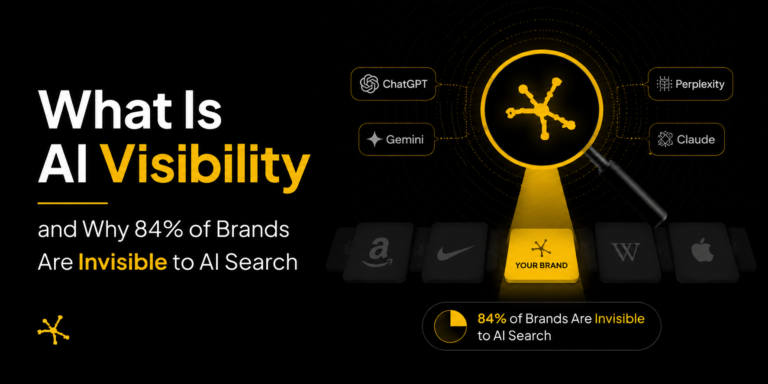
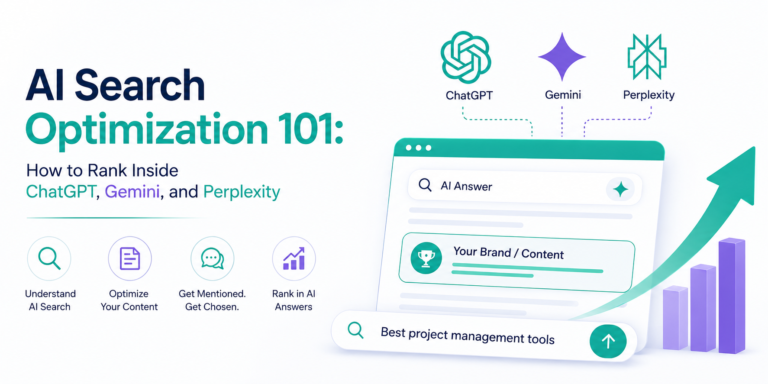
Millions of businesses have websites that look professional, load quickly, and rank reasonably well on Google. Yet when customers ask ChatGPT, Gemini, or Perplexity to recommend a service provider, these businesses simply do not appear. The reason is not poor content or weak branding. It is structural. AI systems like these do not read websites the way humans do. They process structured signals, and websites that lack them are effectively invisible, regardless of how well designed or written they are. As AI assistants become a dominant discovery channel for high-intent customers, the cost of structural invisibility is rising fast. AgentBuyable helps businesses identify and fix the structural gaps that keep them out of AI-generated recommendations.
How AI Systems Read Websites
To understand why unstructured websites are invisible to AI, it helps to understand how AI systems actually process web content. ChatGPT, Gemini, and Perplexity do not browse websites the way a human does. They do not respond to visual hierarchy, appreciate good photography, or infer meaning from layout. They extract information from code and structured signals, and they do so at scale across enormous volumes of content.
When an AI system encounters a webpage, it is looking for explicit signals that answer specific questions. What is this business? What does it offer? Where is it located? What do customers say about it? What does it cost? How can a transaction be initiated? If those answers are available in structured, machine-readable form, the AI can extract and use them reliably. If those answers only exist in visual design, image-based text, or loosely formatted prose, the AI either misreads them or skips them entirely.
The gap between a website that looks informative to a human and one that is actually readable by an AI is wider than most businesses realize, and it is almost entirely a structural issue.
What Makes a Website Unstructured in AI Terms
Structural invisibility to AI systems is not a single problem. It is a collection of gaps that individually reduce readability and collectively produce near-complete invisibility.
No Schema Markup
Schema markup is the most direct way to communicate structured information to AI systems. A website without any schema markup provides no explicit signals about business identity, services, pricing, reviews, or booking capability. AI systems can still attempt to read the page content, but without schema, they are working without the most important layer of structured information available.
Content in Images
Text embedded in images is invisible to AI crawlers. Many businesses place key information, including contact details, service menus, pricing, and opening hours inside image files rather than as crawlable text. This content does not exist for AI systems.
JavaScript-Dependent Content
Dynamic content that only loads after JavaScript execution is frequently missed by AI crawlers that do not fully render JavaScript. Service descriptions, pricing panels, booking widgets, and FAQs that appear through JavaScript are often invisible to AI systems, even when they are clearly visible to human visitors.
Thin or Generic Content
Pages that describe services in vague general terms without specifics give AI systems nothing concrete to extract. Generic content passes a human readability test but fails the machine readability test because it contains no factual anchors that AI systems can cite or use to answer specific customer queries.
Inconsistent Business Information
AI systems cross-reference information across multiple sources. When a business’s name, address, phone number, or service descriptions vary between its website, Google Business Profile, and directory listings, AI systems register inconsistency as an unreliability signal. Enough inconsistencies and the business becomes effectively unciteable.
No Clear Entity Definition
AI systems build understanding around named entities. A website that never explicitly states its business name in text, identifies its service category clearly, or names the locations it serves gives AI systems no entity framework to work with. Without clear entity definition, the business cannot be accurately matched to customer queries.
The Specific Requirements of ChatGPT, Gemini, and Perplexity
While all three systems share a general preference for structured, machine-readable content, understanding their specific behaviors helps clarify why structural gaps are so costly.
ChatGPT draws heavily on training data and increasingly on retrieval-augmented generation when browsing is enabled. It relies on content that is clearly authored, factually specific, and consistently cited across multiple sources. A business that exists in its training data only through thin, unstructured mentions will be represented vaguely or not at all. When ChatGPT browses live pages, schema markup and structured content determine how much useful information it extracts.
Gemini is deeply integrated with Google’s knowledge infrastructure. It benefits significantly from consistent structured data across Google’s ecosystem including schema markup, Google Business Profile, and Knowledge Graph presence. Businesses without these signals have minimal presence in Gemini’s understanding of the business landscape, particularly for local and service-based queries.
Perplexity operates primarily through real-time web retrieval. It crawls pages in response to queries and extracts information to build its answers. Pages with clear headings, direct answers to specific questions, structured data, and machine-readable content perform significantly better in Perplexity’s extraction process than pages relying on visual design or dynamic content to communicate key information.
Why Good SEO Does Not Equal AI Visibility
This is one of the most important misconceptions for businesses to address. A site that performs well in traditional search rankings is not automatically readable by AI systems, and the signals that drive search rankings are largely different from the signals that determine AI visibility.
Traditional SEO rewards keyword optimization, backlink authority, page speed, mobile responsiveness, and click-through behavior. While these signals can contribute to overall online visibility, they do not by themselves ensure that AI systems can extract accurate, structured information from a page. A page can rank on the first page of Google for a competitive keyword while being nearly opaque to ChatGPT, Gemini, and Perplexity.
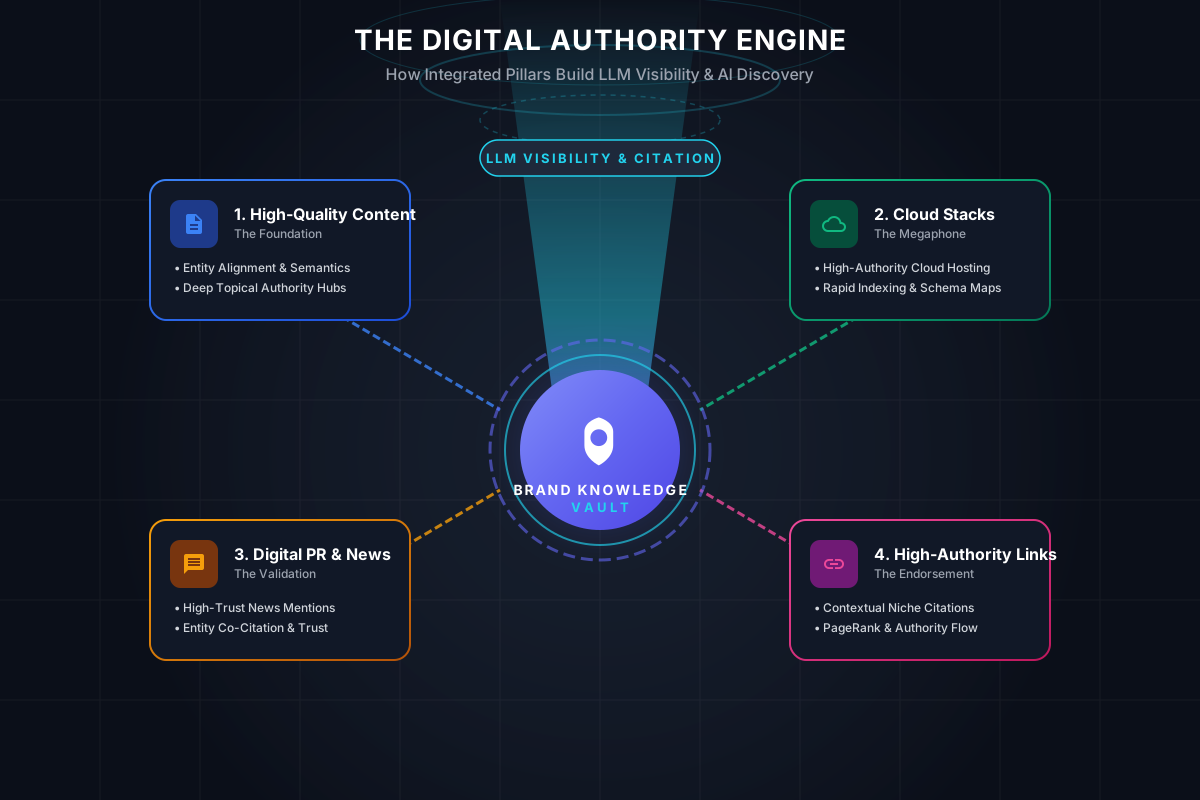
AI visibility depends on schema markup coverage, content directness and specificity, named entity consistency, structured answer formats, topical depth, and information consistency across the web. These are different dimensions from SEO rankings, and they require a different optimization strategy. Businesses that assume their SEO investment has prepared them for AI visibility are likely significantly underestimating the structural gaps in their current web presence.
The Real Cost of Structural Invisibility
The business impact of being invisible to AI systems is not theoretical. It is a measurable loss of discovery opportunities that grows as AI assistant usage increases.
High-intent customers who ask AI assistants for service recommendations are among the most valuable prospects a business can reach. They have already identified a need and are actively seeking a solution. When AI systems cannot find or accurately describe a business, that business is absent from the consideration set entirely. The customer never knows the business exists as a relevant option.
As AI-assisted discovery grows as a share of total customer acquisition, structural invisibility compounds. Businesses that are not fixing these gaps now are not just missing current opportunities. They are allowing competitors who are investing in AI readability to build recommendation frequency and customer relationship advantages that will be increasingly difficult to overcome.
How to Fix Structural Invisibility
The fixes for structural invisibility are concrete and prioritizable. Starting with the highest-impact changes produces measurable improvement in AI readability relatively quickly.
Implementing JSON-LD schema markup covering Organization, LocalBusiness, Service, FAQ, Review, and Offer schema types is the single most impactful structural change available. This directly addresses the absence of machine-readable signals, which is the most common cause of AI invisibility.
Moving key business information out of images and into crawlable text ensures that contact details, service descriptions, and operational information are accessible to AI crawlers. This applies particularly to contact pages, service menus, and location information.
Auditing JavaScript dependencies to identify content that only renders after script execution, and ensuring that critical information is available in static HTML, addresses one of the most common hidden causes of AI invisibility on modern websites.
Standardizing business information across all platforms, including the website, Google Business Profile, directory listings, and social profiles, removes the inconsistent signals that reduce AI trust and citation likelihood.
Rewriting thin service descriptions to be specific, factual, and question-answering transforms pages that pass human readability into pages that pass machine readability. This means explicitly naming services, stating prices where appropriate, describing outcomes, and addressing the specific questions customers are most likely to ask.
Benefits of Fixing Structural Visibility
Businesses that address their structural AI visibility gaps gain compounding advantages. AI systems can accurately identify, describe, and recommend the business in response to relevant queries. Pricing, availability, and service information becomes accessible to AI booking systems, enabling agentic commerce transactions. Consistent information across the web builds the trust signals that increase recommendation frequency. Content depth and specificity increase citation potential in AI-generated responses. The investment in structural fixes benefits both AI visibility and traditional search performance simultaneously, since many of the same signals support both channels.
Why Businesses Should Use AgentBuyable
Identifying and fixing structural invisibility requires a systematic audit of schema coverage, content structure, JavaScript dependencies, entity consistency, and cross-platform information alignment. AgentBuyable provides businesses with a comprehensive AI readability assessment that maps exactly where structural gaps exist and prioritizes the fixes that deliver the greatest improvement in AI visibility. It implements JSON-LD schema markup, optimizes content structure, ensures information consistency across digital properties, and builds the complete AI-readable foundation that ChatGPT, Gemini, Perplexity, and other AI systems need to discover, understand, and recommend a business accurately and confidently.
Conclusion
A professionally designed, well-ranked website is not an AI-visible website by default. ChatGPT, Gemini, and Perplexity require structured signals that most websites do not provide, and the businesses that fail to deliver them are invisible to an increasingly large and valuable segment of customer discovery. The good news is that structural invisibility is fixable. Schema markup, content specificity, information consistency, and technical accessibility are all addressable with the right expertise and approach. AgentBuyable helps businesses close these gaps systematically, building the AI-readable foundation that turns structural invisibility into consistent discovery, accurate recommendations, and real commercial outcomes.
FAQs
Can a website be invisible to AI systems even if it ranks well on Google?
Yes. Google rankings and AI visibility depend largely on different signals. A page can rank highly for relevant keywords while providing almost no structured information that AI systems like ChatGPT, Gemini, or Perplexity can extract and use in generated responses.
What is the single most impactful fix for AI structural invisibility?
Implementing comprehensive JSON-LD schema markup covering Organization, LocalBusiness, Service, FAQ, Review, and Offer schema types delivers the greatest single improvement in AI readability. It directly addresses the absence of machine-readable signals, which is the primary cause of AI invisibility for most websites.
Does the content in images really make a difference to AI readability?
Significantly. Text embedded in image files is completely invisible to AI crawlers. Businesses that store key information, including contact details, pricing, and service descriptions in images rather than crawlable text, are hiding that information from AI systems, regardless of how visible it is to human visitors.
How long does it take to fix structural AI invisibility?
Foundational fixes like schema markup implementation and information consistency corrections can show meaningful improvement in AI readability within weeks. Deeper content improvements and authority building develop over a longer period but begin contributing to AI visibility relatively quickly once the structural foundation is in place.
Is structural AI visibility a one-time fix or ongoing maintenance?
Both. Initial fixes address the most significant gaps, but maintaining AI visibility requires keeping schema markup current as business information changes, updating content as services and pricing evolve, and monitoring for new inconsistencies across platforms. AI readability is an ongoing discipline rather than a single project.
How does AgentBuyable help businesses fix structural AI invisibility?
AgentBuyable conducts a thorough structural assessment, identifies every gap limiting AI readability, and implements the fixes that matter most, starting with schema markup and progressing through content optimization, information consistency, and technical accessibility. It builds and maintains the complete AI-readable foundation that ChatGPT, Gemini, Perplexity, and other systems need to discover and recommend a business accurately.