Does Your Business Need an AI Visibility Agency? 10 Questions to Ask First
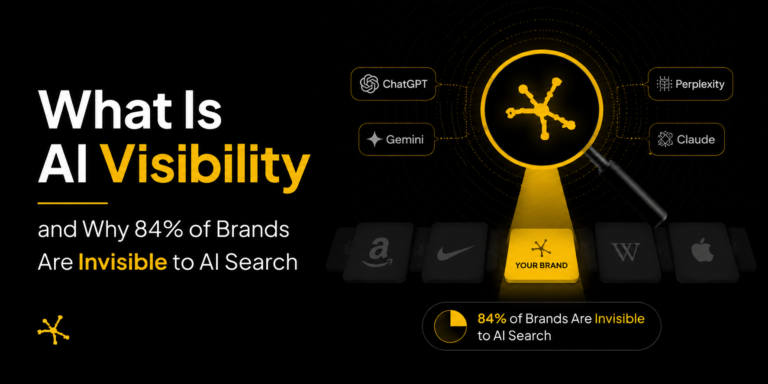
More buyers are asking AI assistants for recommendations before they ever visit a website. “What’s the best CRM for a small agency?” “Find a med spa near me with good reviews.” “Which project management tool works best for remote teams?” The assistant answers, often just one or two names, and that’s the shortlist the buyer works from.
That shift has created a new category of provider: the AI visibility agency. But not every business needs one right now, and not every agency is worth hiring. Before you sign a contract or hand over a budget, it’s worth asking the right questions first.
This article walks through ten of them, with an honest, practical answer for each, so you can decide whether investing in AI visibility services makes sense for your business today.
What Is an AI Visibility Agency, in Plain Terms?
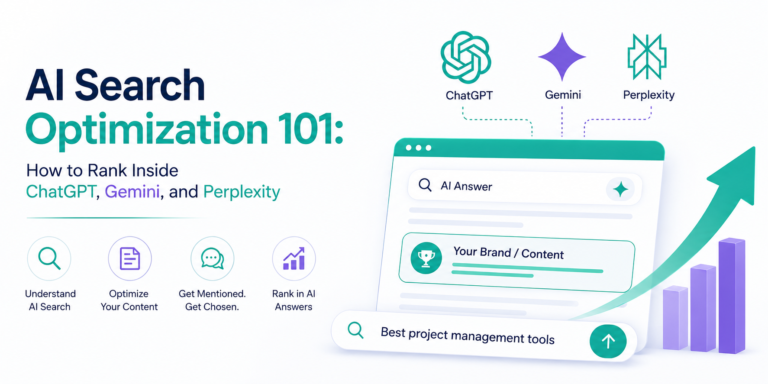
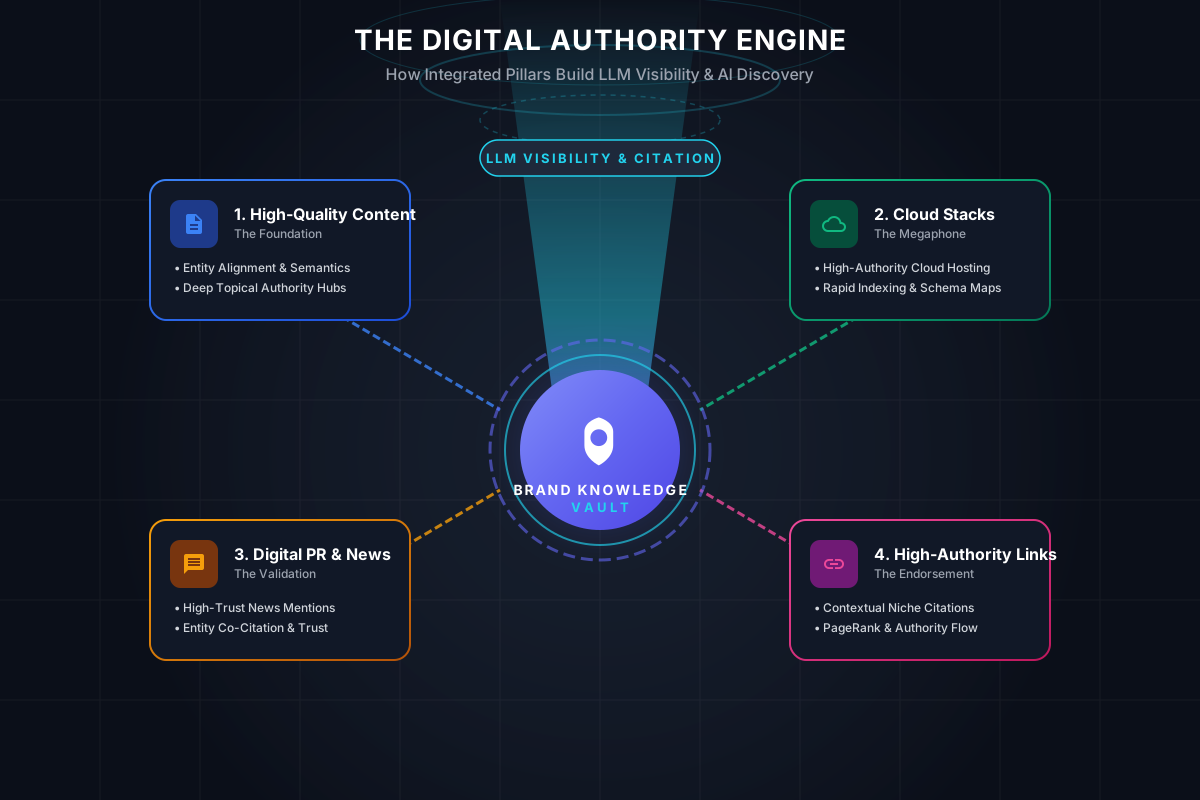
An AI visibility agency helps your business get found, accurately described, and recommended when people ask AI assistants like ChatGPT, Perplexity, or Gemini questions related to what you offer. That typically involves an AI visibility audit to see where you currently stand, AEO services (Answer Engine Optimization) to structure your content and data so AI systems can understand and cite it, and, in some cases, support connecting your business to agentic commerce so an AI agent can actually complete a booking or purchase on a customer’s behalf.
Think of it less like traditional marketing and more like translation work. Your business already has services, pricing, and credibility. An AI visibility agency’s job is to present that information in a way a machine can confidently repeat back to someone asking for a recommendation.
With that context in place, here are the questions worth asking before you hire one.
1. Do We Actually Know Our Current AI Visibility?
Why it matters: You can’t fix a problem you haven’t measured. Most businesses have never checked how they appear (or fail to appear) in AI-generated answers.
Honest answer: Before talking to any agency, spend fifteen minutes testing this yourself. Ask a few AI assistants the questions your customers would ask, without naming your business. See if you show up, and check whether what’s said about you is accurate.
Takeaway: If you don’t know your current AI visibility, start there. It’s the difference between guessing and making an informed decision.
2. Who Is Our Target Audience, and How Do They Actually Search?
Why it matters: AI visibility work only pays off if it’s built around the specific questions your real buyers ask, not generic industry terms.
Honest answer: A B2B SaaS company selling to marketing directors will be optimized very differently than a local med spa answering “near me” questions. If an agency doesn’t ask detailed questions about your buyers early on, that’s a sign they may be using a one-size-fits-all approach.
Takeaway: Be ready to clearly describe who your customers are and what they’d realistically ask an AI assistant. This should shape everything an agency does for you.
3. What Are Our Specific Business Goals?
Why it matters: “Improve AI visibility” isn’t a goal on its own. It needs to connect to something measurable, like more qualified inquiries, more demo requests, or more direct bookings.
Honest answer: Good agencies will ask what success looks like for your business before proposing any work. If pricing conversations start before goal conversations, that’s worth noticing.
Takeaway: Walk into any agency conversation with a clear sense of what outcome you’re trying to achieve, not just “we want to show up in AI answers.”
4. What Does Our Competitive Landscape Look Like in AI Answers?
Why it matters: AI systems tend to keep recommending whichever sources are already clear, well-structured, and consistently cited. If your competitors have a head start, that gap can widen over time.
Honest answer: Part of a proper AI visibility audit should include checking how your competitors currently appear, not just your own business. This tells you both the size of the opportunity and how urgent it is.
Takeaway: Ask any prospective agency to show you competitive findings, not just findings about your own business. If they haven’t looked at your competitors, the audit is incomplete.
5. What Results Can We Realistically Expect?
Why it matters: This space is genuinely new, and no one, including AgentBuyable, can control how AI models are built or updated. Anyone guaranteeing specific placement or rankings is overselling.
Honest answer: Realistic outcomes include being included more consistently in relevant AI answers, having more accurate information cited about your business, and generating more qualified inquiries from people who arrive already trusting the recommendation. What you shouldn’t expect is a guarantee that you’ll always be the top or only answer given.
Takeaway: Be wary of any agency that promises guaranteed rankings or “top result” placement. Confident-sounding certainty in this space is often a red flag, not a sign of expertise.
6. How Will Progress Actually Be Measured?
Why it matters: Without clear reporting, it’s impossible to know if the work is doing anything at all.
Honest answer: Ask specifically how visibility, accuracy, and inclusion are tracked over time, and how often you’ll receive updates. A credible AI visibility agency should be able to show before-and-after comparisons of how your business appears in AI-generated answers, not just vague progress narratives.
Takeaway: If an agency can’t clearly explain how they’ll measure results, ask harder questions before signing anything.
7. What Does This Actually Cost, and What’s Included?
Why it matters: Pricing in this category isn’t yet standardized the way it is in more established marketing disciplines, so packages can vary widely in scope.
Honest answer: Costs generally range from a standalone AI visibility audit at the lower end, to ongoing AEO implementation and monitoring, up to full engagements that include agentic commerce integration. Ask exactly what’s included at each tier and whether ongoing work is required to maintain results.
Takeaway: Get a clear, itemized breakdown of scope before comparing prices across providers. The cheapest option isn’t necessarily the best value if it excludes measurement or ongoing upkeep.
8. Does the Agency Actually Understand Our Industry and Model?
Why it matters: AI visibility strategy for a B2B SaaS company selling an annual contract looks very different from strategy for a local service business booking daily appointments.
Honest answer: Ask for examples of work with businesses similar to yours, or at least evidence they understand your sales cycle and buyer behavior. Generic, copy-paste strategies tend to underperform.
Takeaway: Provider expertise matters as much as the service itself. A knowledgeable partner will ask about your business model before proposing tactics.
9. What’s a Realistic Timeline for Seeing Change?
Why it matters: AI systems need time to crawl, process, and incorporate updated information. This isn’t instant, and anyone claiming overnight results is misrepresenting how these systems work.
Honest answer: Most businesses should expect gradual, measurable improvement over weeks and months, not days. Ongoing monitoring and adjustment are a normal part of the process, not a sign something went wrong.
Takeaway: Set expectations for a multi-month engagement, not a quick fix, and be suspicious of anyone promising fast, dramatic change.
10. Is Now the Right Time for Us to Invest?
Why it matters: Not every business needs to act immediately, but waiting has a cost if competitors are already establishing themselves as the clear, trusted answer in your category.
Honest answer: If your buyers already research extensively before purchasing, and your initial self-check showed you’re missing or inaccurately represented in AI answers, the opportunity cost of waiting likely outweighs the cost of starting with a smaller, audit-first engagement.
Takeaway: You don’t need to commit to a full engagement right away. Starting with an AI visibility audit is a reasonable, low-risk way to find out if a larger investment makes sense.
Where AgentBuyable Fits In
If you’ve worked through these questions and want a partner who takes an audit-first, honest approach, AgentBuyable offers AI visibility audits, ongoing AEO services, and support connecting businesses to agentic commerce through ACP and UCP integration, so you’re not just found by AI assistants, but also ready to be booked and paid by them. It’s worth exploring as one option among several as you evaluate what your business actually needs.
Conclusion
AI visibility is becoming a real factor in how buyers discover and choose businesses, but that doesn’t mean every business needs to rush into hiring an agency today. The smartest approach is to get informed first: understand your current AI visibility, define your goals, and ask hard, specific questions of any provider you’re considering.
Should You Hire an AI Visibility Agency?
Hire one if your buyers already research using AI assistants, your competitors are showing up ahead of you, and you want a structured, measured approach rather than guesswork. Hold off, or start small with just an audit, if you’re still unsure whether the opportunity is significant enough to justify a larger investment. Either way, the goal is the same: make the decision based on real findings about your business, not assumptions or agency sales pitches.
Frequently Asked Questions
What does an AI visibility agency actually do?
An AI visibility agency helps businesses get found, accurately represented, and recommended by AI assistants. This typically includes conducting an AI visibility audit, implementing AEO services to improve how content and data are structured, and in some cases integrating agentic commerce so AI agents can complete bookings or purchases directly.
How do I know if my business needs AI visibility services?
Start by testing it yourself. Ask AI assistants questions your customers might ask about your category without naming your business, and see whether you appear and whether the information is accurate. If you’re missing or misrepresented, and your buyers do research before purchasing, that’s a strong signal it’s worth investigating further.
Is AI visibility only relevant for large companies?
No. Local service businesses, healthcare practices, and small B2B SaaS companies are all affected by how AI assistants represent them. In many cases, smaller and mid-sized businesses see faster, more noticeable gains because there’s less noise to cut through in their specific category.
Can an agency guarantee my business will be recommended by AI assistants?
No legitimate agency can guarantee specific placement, since AI models are controlled by third-party companies and change without notice. Be cautious of any provider promising guaranteed rankings or top placement.
How long does it take to see results from AEO work?
Most businesses should expect gradual improvement over weeks and months as AI systems crawl and incorporate updated information, rather than immediate change. Ongoing monitoring and adjustments are a normal part of the process.
What should I look for when comparing AI visibility agencies?
Look for a clear audit process, transparent pricing with itemized scope, a defined way of measuring progress, experience with businesses similar to yours, and realistic (not exaggerated) expectations about timelines and outcomes.